
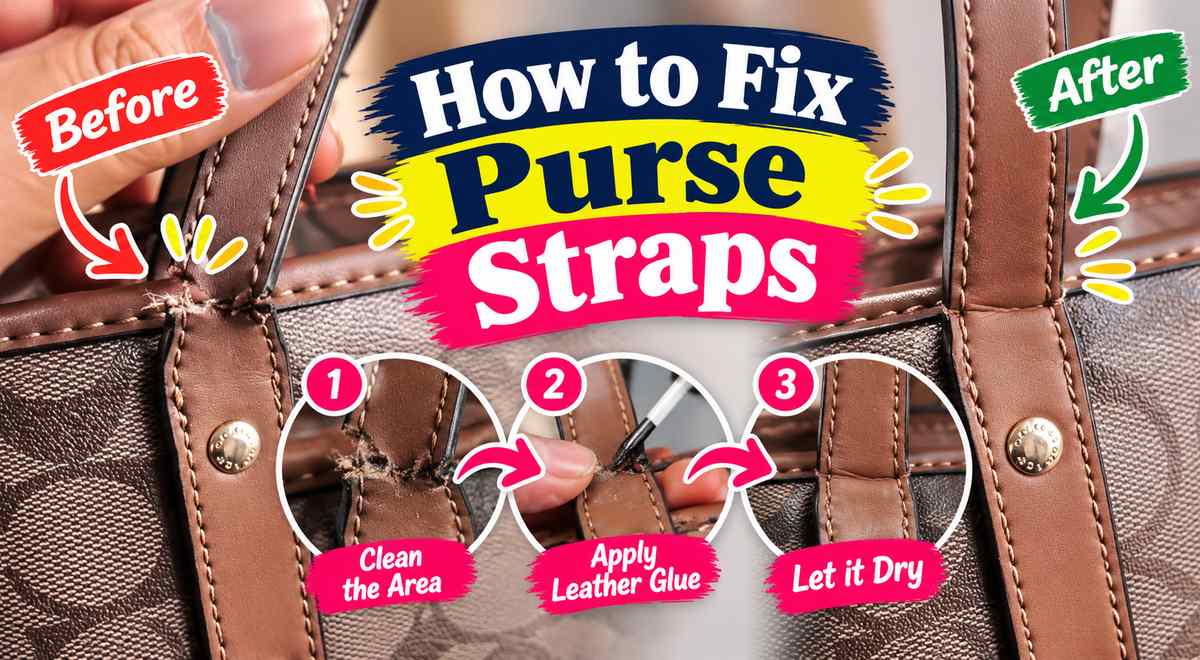
How to Fix Purse Straps: 7 Easy DIY Repair Methods
A broken, cracked, or peeling purse strap doesn’t always mean you need a new bag. You can often repair loose stitching, reattach a small leather split, or replace damaged hardware at home with a few basic tools.
The best way to fix purse straps depends on the damage and the material. Genuine leather, faux leather, fabric, and chain straps all need different care. The key is to find the weak spot before choosing a repair method.
In this guide, you’ll learn how to fix purse straps with simple DIY techniques, how to handle cracked or peeling material, and when replacing the strap is a better choice than repairing it.
Quick Answer: How to Fix Purse Straps
Choose your repair based on the problem.
| Purse strap problem | Best repair method |
|---|---|
| Loose or broken stitches | Hand-sew with strong thread or use a sewing machine suitable for the material |
| Small split in genuine leather | Use compatible leather adhesive and reinforce the underside if needed |
| Cracked leather surface | Apply a compatible leather repair compound for minor surface damage |
| Peeling faux leather | Use a flexible repair product for small areas or replace the strap if peeling is widespread |
| Broken clasp or hook | Replace the damaged hardware |
| Strap detached from the bag | Reinforce and resew the attachment if the material is still strong |
| Strap torn through | Add a suitable backing patch or replace the strap |
My recommendation: If the strap is structurally sound and only the stitching has failed, resewing it is usually the most practical DIY fix. If the material is crumbling or the attachment point is badly torn, replacing the strap is often safer and more reliable.
1. Identify What’s Wrong With Your Purse Strap
Before reaching for glue or a needle, examine the entire strap. Check the area near the handles, buckles, metal rings, and folded ends. These points often experience repeated pulling and bending.
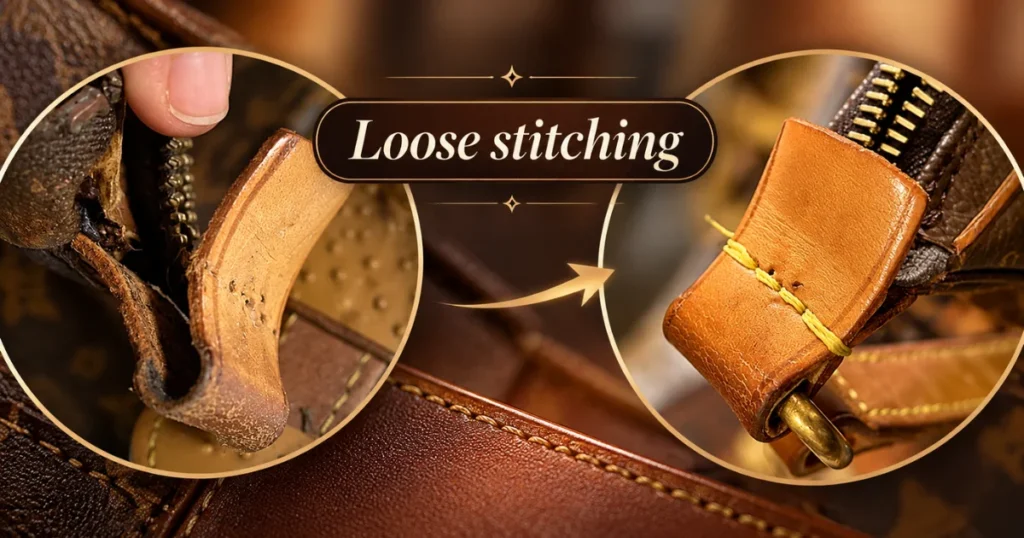
Loose stitching
The thread has come undone, but the leather or fabric underneath remains intact. This is usually a good candidate for hand sewing.
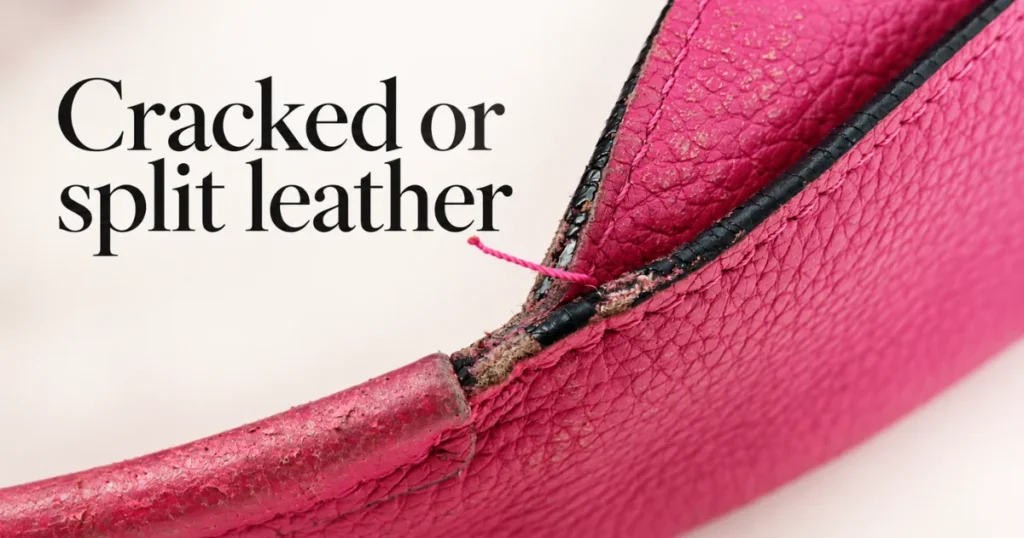
Cracked or split leather
Small surface cracks may respond to a leather repair compound. A deep split needs structural reinforcement rather than a cosmetic coating.
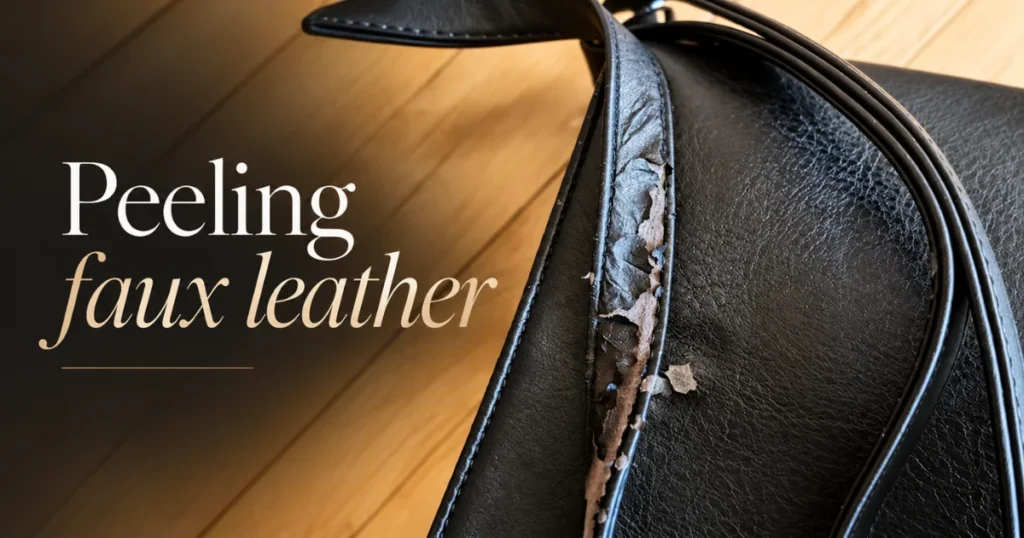
Peeling faux leather
The outer coating is separating from its backing. Small damaged spots may be covered, but widespread peeling usually calls for a replacement strap.

Broken hardware
A damaged clasp, hook, or connector may need replacement. Check that the leather loop or fabric tab holding it is still strong.
If the bag is expensive, sentimental, or covered by a warranty, check the manufacturer’s repair options before attempting a DIY fix. Glue, new holes, or replacement hardware can make later repairs harder.
2. How to Fix Purse Straps With Broken Stitching
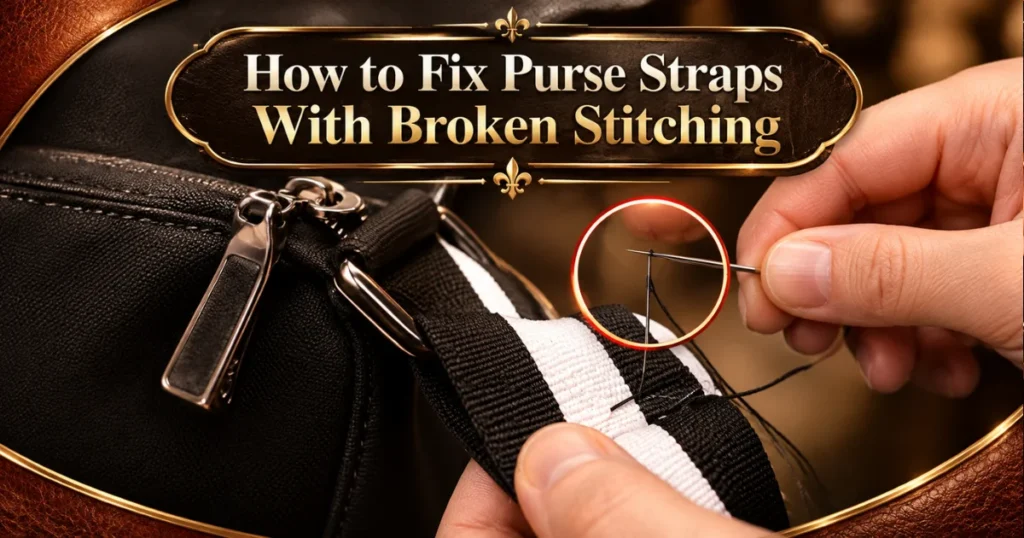
If the strap has come loose because the thread broke, you may be able to sew it back in place without replacing the strap.
This method works best when the material around the old stitches is still firm and free from major tears.
Step-by-step instructions
1. Remove the contents of the purse. Place the bag on a clean, flat surface so the strap stays still while you work.
2. Inspect the damaged seam. Check whether the stitches alone have failed or whether the needle holes have torn through the material. If the holes are stretched or the material is weak, you may need reinforcement.
3. Remove loose thread. Use small scissors to cut away dangling thread. Avoid cutting the leather, fabric, or lining.
4. Align the strap. Position the strap exactly as it was originally attached. Use clips to hold it in place without leaving marks.
5. Choose suitable thread. Use strong, abrasion-resistant thread that suits the strap material. For thick leather, a leatherworking needle and waxed thread may be appropriate.
6. Sew along the existing seam. If the original holes remain strong, reuse them. Make small, even stitches and keep the strap layers aligned. Avoid pulling so tightly that the material puckers or the holes widen.
7. Secure the thread. Finish with secure backstitches or another suitable finishing method. Trim the ends without cutting the new stitches.
8. Inspect the repair. Check that the seam lies flat and that the surrounding material has not split further.
Important: If the original holes have become weak, do not keep stitching through them. Move the repair only if the material allows a sound new stitch line, or reinforce the attachment with a suitable patch. For a valuable bag or a badly damaged attachment, professional repair is the safer choice.
Expected result: A functional repair when the strap material and attachment point remain strong. A seam repair alone cannot restore leather that has torn away.
3. How to Fix Cracked Purse Straps
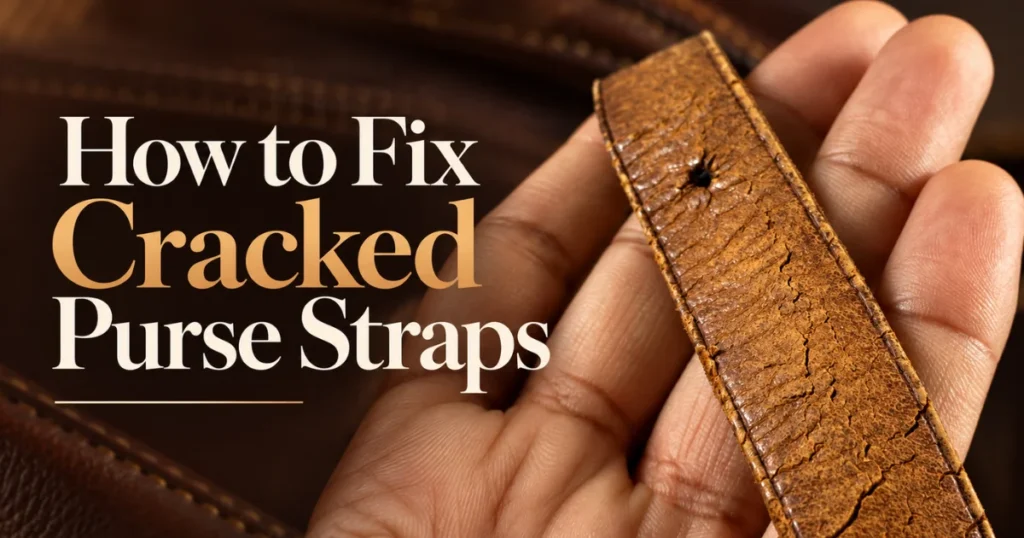
Cracked leather needs a different approach from loose stitching. First, determine whether the damage affects only the finish or extends into the strap itself.
Tools and materials
- A cleaner suitable for the leather
- A soft, lint-free cloth
- A compatible flexible leather repair compound
- A small applicator
- Matching leather colorant, if needed
Step-by-step instructions
1. Clean the strap gently. Remove dust and surface dirt with a suitable leather cleaner. Test the cleaner on a hidden area first.
2. Let the leather dry. Do not apply repair products to damp leather. Avoid soaking the strap or using strong household cleaners.
3. Check the depth of the cracks. If the surface finish has small cracks but the strap remains flexible and strong, a compatible leather filler may improve its appearance. If the leather has split through or feels brittle, it needs a stronger repair or replacement.
4. Apply a thin layer of repair compound. Use a product designed for the leather and type of damage. Spread it only over the affected area, following the manufacturer’s instructions.
5. Allow the layer to dry fully. Add another thin layer only if the product instructions permit it and the damage still needs filling. Several thin applications are generally easier to control than one thick layer.
6. Blend the finish if needed. Once the repair has cured, apply a compatible colorant according to its instructions. Test the color on a hidden spot first.
7. Check the repaired area. Flex the strap gently without pulling on it. If the cracks reopen or the material separates, the repair is not strong enough for regular carrying.
Can glue fix a cracked leather strap?
Glue may help when two sound layers have separated, but it will not replace missing leather or restore badly weakened fibers. Choose an adhesive specifically suited to the surfaces being bonded. Some water-based leather adhesives are intended for suede-side or fabric bonds and are not suitable for every smooth leather surface.
Avoid using ordinary super glue as a default fix. A rigid repair can crack when the strap bends, and excess glue may leave a visible mark.
4. How to Fix Peeling Purse Straps
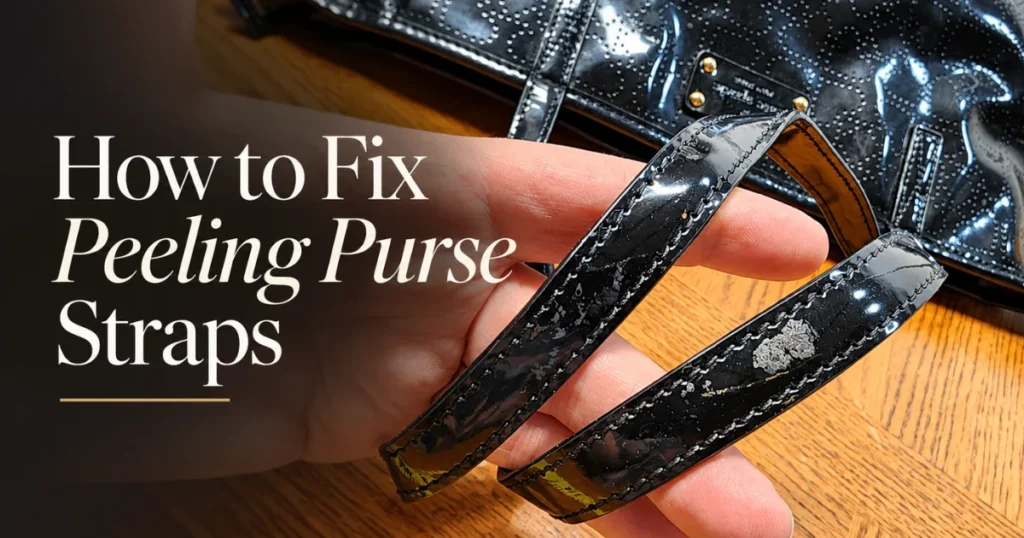
Peeling purse straps are often made from faux leather or coated material. The top layer separates from the fabric backing as the material wears or breaks down.
You can improve a small damaged area, but you generally cannot restore a badly deteriorated coating to its original condition.
Step-by-step DIY fix
1. Inspect the whole strap. Look for peeling near the ends, around bends, and close to the hardware. If the coating is failing in several places, plan for replacement.
2. Clean the surface carefully. Follow the care instructions for the material. Use a soft cloth and let the strap dry fully.
3. Remove only loose flakes. Carefully trim pieces that have already lifted away. Do not pull off firmly attached material or cut into the fabric backing.
4. Apply a compatible repair product. Choose a flexible vinyl, faux leather, or coated-fabric repair product that specifically lists your material. Test it in a hidden area before treating the visible surface.
5. Build up the repair gradually. Apply thin layers as directed, allowing each layer to dry before adding another. If the backing is exposed, use a repair kit designed for that type of damage.
6. Let the repair cure. Follow the product’s stated curing time before bending or carrying the bag.
7. Check the result. Look for lifting edges, cracking, or a stiff patch. If the damage spreads or the backing is weak, replace the strap.
What if the peeling keeps coming back?
Repeated peeling usually means the coating is failing beyond the original damaged spot. More glue or paint may cover the surface for a while, but it cannot rebuild the entire worn coating.
Best long-term option: Replace the strap when peeling is widespread. If the bag is valuable, ask a repair specialist whether a new strap can be fitted without damaging the original bag.
Avoid using leather conditioner on faux leather unless the manufacturer says it is suitable. Products made for natural leather may not be appropriate for synthetic coatings.
5. How to Replace a Broken Purse Strap or Clasp
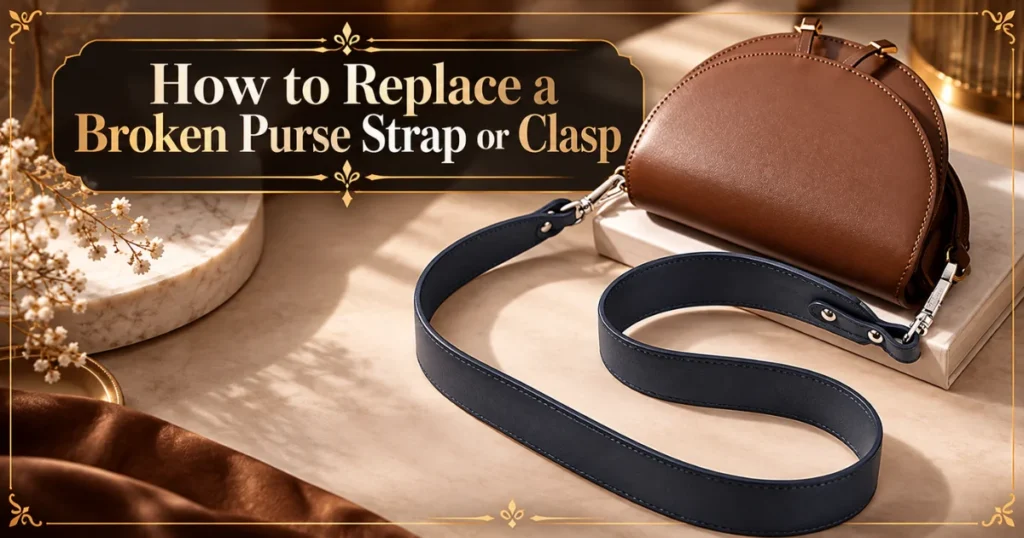
Replacing a damaged strap is often easier than rebuilding one that has torn through. It is also a useful option when the original strap has widespread cracking or peeling.
How to choose a replacement strap
Before buying one, check these details:
- Width: Measure the existing strap where it connects to the hardware.
- Length: Measure the strap in its normal, relaxed position. For an adjustable strap, record both its shortest and longest usable lengths.
- Attachment type: Check whether the bag uses swivel clasps, loops, rings, buckles, or permanently sewn ends.
- Material: Choose leather, fabric, chain, or synthetic material that suits the bag’s design and intended use.
- Hardware fit: Confirm that the replacement clasps fit through the bag’s attachment rings and close securely.
Step-by-step instructions
1. Remove the old strap if it has detachable clips. If it is sewn or riveted in place, inspect the attachment before removing anything.
2. Compare the replacement with the original. Check the width, length, hardware size, and attachment method.
3. Attach the new strap to the bag’s existing rings or loops. Make sure the strap is not twisted and both ends are secured.
4. Open and close each clasp several times. Check that the gates close fully and the hardware moves freely.
5. Inspect the attachment points on the purse. A new strap will not solve the problem if the original rings, leather tabs, or stitching are weak.
6. Before putting the bag back into regular use, check the connections with gentle hand pressure. Do not perform a heavy-load test on a damaged strap or weak attachment point.
Can you fix a broken metal clasp?
If the clasp’s gate, spring, or body has broken, replacing the clasp is generally more reliable than trying to bend it back into shape. Match the new hardware to the strap width and attachment design.
For a riveted or sewn connection, use suitable replacement hardware and tools. If you cannot remove the original hardware without cutting into the bag, take it to a repair shop.
6. How to Fix Coach or Michael Kors Purse Straps
Designer bags may need extra care because the strap, stitching, finish, and hardware can be difficult to match.
How to fix Coach purse straps
If the strap is loose, cracked, or detached, take clear photos of the damage and contact Coach to ask about your options. Avoid adding new holes or applying repair compounds before the assessment if you want to preserve the original finish.
How to fix Michael Kors purse straps
For a Michael Kors bag, start by checking the brand’s official website or contacting its customer service team about repair or warranty options. The appropriate service may depend on where you purchased the bag and the type of damage.
If you decide to repair it yourself, use a method that matches the strap material. A simple stitching repair may be suitable for an intact strap with loose thread, while a torn attachment or peeling finish may need professional attention.
Designer-bag tip: If the bag has sentimental or resale value, get a repair assessment before attempting a cosmetic fix. A poorly matched finish or misplaced stitch can be harder to correct than the original damage.
7. Common Purse Strap Repair Problems and Solutions
Even a simple repair can go wrong if the material, adhesive, or attachment point is not suitable.
| Problem | Likely cause | What to do |
|---|---|---|
| Glue will not hold | Wrong adhesive or unsuitable surface | Check material compatibility and clean the surfaces as directed |
| Stitches keep breaking | Weak thread or damaged stitch holes | Use suitable thread and reinforce sound material |
| Strap looks uneven | The ends were not aligned before stitching | Reposition the strap before securing the seam |
| Repair feels stiff | Too much repair compound or unsuitable glue | Follow product instructions and avoid thick applications |
| Peeling returns | The coating is deteriorating beyond the repaired spot | Replace the strap if the damage is widespread |
| Clasp keeps coming loose | Worn hardware or a weak leather loop | Replace the hardware and assess the attachment point |
| Strap tears again | The surrounding material is weakened | Reinforce only if the base material is sound; otherwise replace the strap |
What to do if you make a mistake
- If glue spreads onto the visible surface: Do not rub it with a strong solvent. Check the adhesive manufacturer’s removal instructions first, since solvents can damage leather finishes and synthetic coatings.
- If stitches pucker the strap: Stop sewing and ease the tension. If the material is not damaged, realign the layers before continuing.
- If the repair compound looks uneven: Allow it to dry as directed, then apply another thin layer only if the product permits it.
- If the strap breaks again: Recheck the underlying material. Repeating the same repair will not help if the leather, fabric, or attachment point has lost its strength.
8. How to Keep Purse Straps in Good Condition
A few simple habits can help reduce wear on your purse straps.
- Avoid overloading your bag. Heavy contents put extra strain on the straps and their attachment points.
- Store the bag properly. Keep it in a clean, dry place away from excessive heat and direct sunlight.
- Use suitable cleaning products. Follow the care instructions for genuine leather, faux leather, fabric, or suede.
- Check the stitching and hardware. Repair loose thread or a failing connector before the damage spreads.
- Keep straps dry when possible. If a strap gets wet, follow the material’s care instructions and let it dry naturally.
- Avoid pulling on damaged areas. A strap with a deep crack or torn attachment may fail suddenly under weight.
If you’ve repaired the strap with glue, filler, or paint, follow the product’s full curing instructions before using the bag again.
9. Frequently Asked Questions
1. Can I fix purse straps without sewing?
Yes. A compatible flexible adhesive may work for a small split or loose layer, while detachable straps may only need new hardware. However, glue alone is not a reliable fix for a strap that has torn through or carries significant weight.
2. What is the best glue for purse strap repair?
Choose an adhesive designed for the exact material and surfaces you need to join. Genuine leather, fabric-backed leather, and smooth synthetic coatings can require different products, so check the label before applying glue.
3. Can you repair cracked or peeling purse straps?
Small cracks may respond to a suitable leather repair compound, while small areas of peeling synthetic material may be improved with a compatible flexible repair product. Widespread peeling or deep structural damage usually makes replacement the better option.
4. Is it worth repairing a designer purse strap?
It can be, especially if the bag is valuable or the damage is limited to stitching or replaceable hardware. Check the brand’s repair service and warranty options before attempting a DIY repair.
5. How do I keep a repaired purse strap from breaking again?
Avoid overloading the bag, check the attachment points regularly, and repair loose stitching before it spreads. If the material around the repair is brittle or badly worn, replace the strap rather than relying on another surface fix.
